
10 Natural Supplements to Support Your Hormones During Perimenopause
12/21/202512 min read


Disclosure: This post contains affiliate links. As an Amazon Associate, I earn from qualifying purchases at no extra cost to you.
When Your Body Stops Making Sense
I was doing everything right. Eating clean. Hitting the gym four days a week. Going to bed at a reasonable hour. And yet, I felt like I was losing my mind.
The mood swings came out of nowhere—crying over a commercial one minute, snapping at my husband the next. The night sweats had me changing pajamas at 2 AM. My brain felt like it was wrapped in cotton. And despite my best efforts, the scale kept creeping up, especially around my middle.
"Am I going crazy?" I asked my doctor during my annual checkup.
She smiled knowingly. "You're not crazy. You're in perimenopause."
Perimenopause. That word I'd heard whispered among older friends but never really understood. It turns out, it's the long, winding, often bumpy road leading up to menopause—and it can start in your late thirties or early forties, lasting anywhere from a few months to ten years.
During this time, your body's production of estrogen and progesterone becomes wildly unpredictable. One day you have plenty, the next day you're running on empty. Your stress hormone, cortisol, often stays elevated longer than it should. And your thyroid, which regulates your metabolism and energy, can become sluggish.
The result? A frustrating collection of symptoms that make you feel like a stranger in your own body, even when you're doing everything "right."
But here's what I learned after months of research, trial and error, and consultations with my healthcare team: there are natural supplements that can help support your hormones, calm your stress response, and make this transition significantly smoother.
I'm not talking about magic pills that fix everything overnight. I'm talking about targeted nutritional support that helps your body adapt to this hormonal shift with more grace and less misery.
Below, I'll share the ten supplements that made the biggest difference for me, how they work, and how to use them effectively. These aren't replacements for medical hormone therapy if you need it, but they can be powerful allies during this transition.
Understanding What's Actually Happening to Your Body
Before we dive into supplements, let's talk about what's really going on during perimenopause. Understanding the "why" behind your symptoms helps you address them more effectively.
Your hormones work like a symphony orchestra. When all the instruments are playing together in harmony, you feel balanced, energized, and stable. But during perimenopause, it's like several musicians are playing off-key, at different tempos, and occasionally taking random breaks.
Estrogen, which has been steadily regulating your menstrual cycle, mood, skin, and metabolism for decades, starts fluctuating wildly. Some days it's too high, causing breast tenderness and headaches. Other days it plummets, triggering hot flashes and mood swings.
Progesterone, the calming hormone that balances estrogen and supports sleep, tends to decline more steadily. As progesterone drops, you may notice increased anxiety, trouble sleeping, and more intense PMS symptoms.
Cortisol, your primary stress hormone, often stays elevated for longer periods because declining estrogen affects how efficiently your body manages stress. High cortisol contributes to belly fat, sleep problems, and that wired-but-tired feeling.
Your thyroid, which regulates metabolism and energy, can become less efficient during this time, contributing to weight gain, fatigue, and brain fog.
This hormonal chaos creates the symptoms that define perimenopause: irregular periods, mood swings, anxiety, hot flashes, night sweats, sleep problems, weight gain around the middle, low energy, and brain fog that makes you walk into rooms and forget why you're there.
The supplements I'm about to share work by supporting your body's natural ability to produce, balance, and process these hormones more effectively.
Ashwagandha: The Stress-Balancing Powerhouse
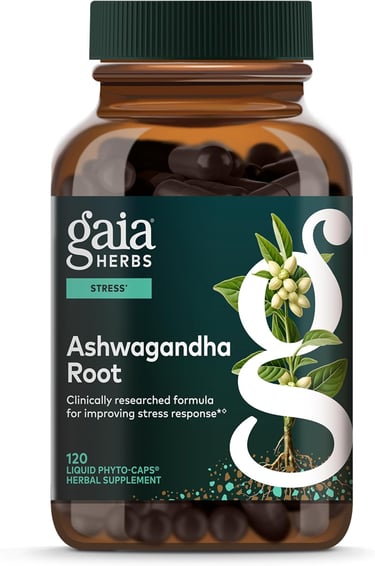
If I could only recommend one supplement for perimenopause, it would be ashwagandha. This ancient adaptogenic herb has been used in Ayurvedic medicine for thousands of years, and modern research confirms what traditional healers have known all along: it's remarkably effective for stress management.
Ashwagandha works by regulating your body's stress response system. When you're under chronic stress—whether from work, family responsibilities, or the hormonal roller coaster of perimenopause itself—your cortisol levels stay elevated. High cortisol disrupts your other hormones, making perimenopausal symptoms worse.
Ashwagandha helps lower cortisol levels naturally, which has a domino effect on your entire hormonal system. When cortisol comes down, your body can more effectively produce and balance estrogen and progesterone. You sleep better. Your mood stabilizes. Your energy improves. Even your weight becomes easier to manage because high cortisol drives belly fat storage.
I started taking ashwagandha about three months into my perimenopausal journey, and within two weeks, I noticed I wasn't as reactive to everyday stressors. Things that would have sent me into a tailspin—traffic, work deadlines, my teenager's attitude—felt more manageable. I was sleeping more soundly and waking up less anxious.
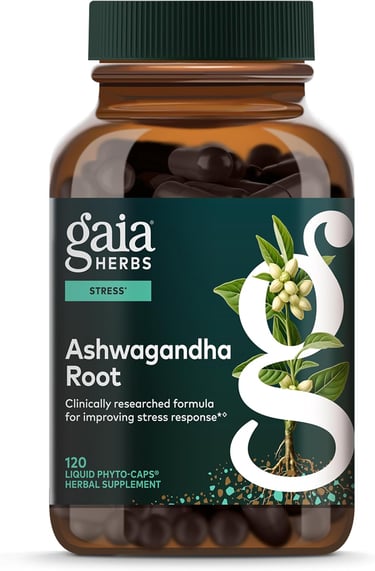
Look for ashwagandha supplements standardized to contain withanolides, the active compounds. The typical dose is 300 to 600 milligrams daily, taken with food. Some women prefer taking it in the morning for all-day stress support, while others take it in the evening to support better sleep. I split my dose—half in the morning, half before bed.
One important note: if you have thyroid issues, talk to your healthcare provider before taking ashwagandha, as it can affect thyroid function.
Magnesium: The Relaxation Mineral Your Body Is Craving
Magnesium deficiency is incredibly common, especially in women over forty, and the symptoms of low magnesium overlap significantly with perimenopausal symptoms: anxiety, insomnia, muscle tension, irritability, and fatigue.
Magnesium is involved in over 300 biochemical reactions in your body. It helps your muscles relax, supports your nervous system, regulates your sleep-wake cycle, and plays a crucial role in stress management by supporting the parasympathetic nervous system—your body's "rest and digest" mode.
During perimenopause, when your stress response is already overactive, adequate magnesium becomes even more important. It helps calm your racing mind at bedtime, reduces the muscle tension that accompanies anxiety, and supports the production of calming neurotransmitters like GABA.
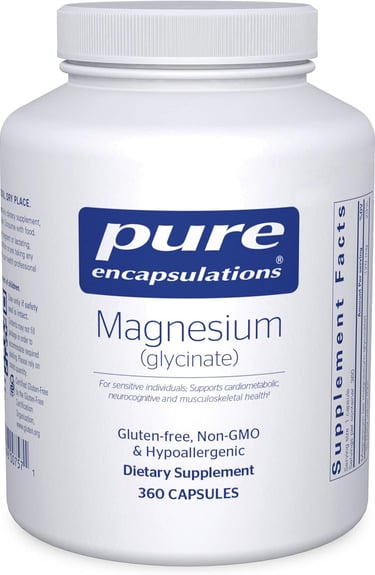
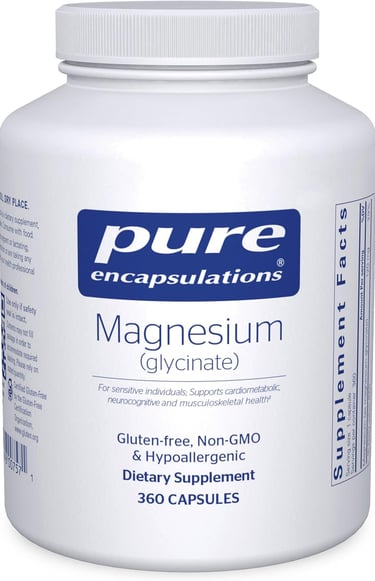
I started taking magnesium glycinate—the form most easily absorbed and gentlest on your digestive system—about 200 milligrams every evening after dinner. Within a week, I noticed I was falling asleep faster and my nighttime muscle cramps disappeared. The constant tension I'd been holding in my shoulders and jaw also eased significantly.
Magnesium glycinate is specifically recommended because other forms, like magnesium oxide, can cause digestive upset and aren't absorbed as well. Some women take up to 400 milligrams, but start with 200 and see how your body responds.
If you experience loose stools, reduce your dose. If you're taking medications, especially for blood pressure or heart conditions, check with your doctor before supplementing with magnesium.
Omega-3 Fatty Acids: Fighting Inflammation and Supporting Brain Health
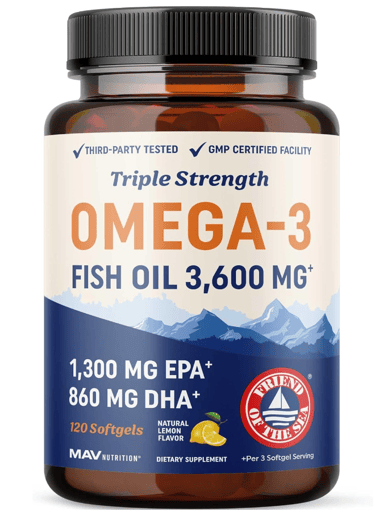
Omega-3 fatty acids—specifically EPA and DHA found in fish oil—are essential fats your body can't make on its own. They're powerful anti-inflammatory compounds that support brain health, mood regulation, and metabolic function.
During perimenopause, inflammation often increases throughout your body, contributing to joint pain, mood issues, and metabolic changes that make weight gain easier and weight loss harder. Omega-3s help counteract this inflammatory response.
Research shows that adequate omega-3 intake supports mood stability, reduces anxiety and depression symptoms, and may help with hot flash severity. Omega-3s also support insulin sensitivity, which becomes more important during perimenopause when metabolic changes make blood sugar regulation more challenging.
I was already taking omega-3s for heart health, but I increased my dose to 2,000 milligrams of combined EPA and DHA daily during perimenopause. I noticed improvements in my mood—fewer dramatic swings and a more stable baseline emotional state.
Look for high-quality fish oil that's been tested for purity and doesn't contain mercury or other contaminants. If you're vegetarian or vegan, algae-based omega-3 supplements provide EPA and DHA without fish.
Take omega-3s with food to improve absorption and minimize any fishy aftertaste. Some people prefer taking them with their largest meal of the day.
Rhodiola: The Energy-Boosting Adaptogen
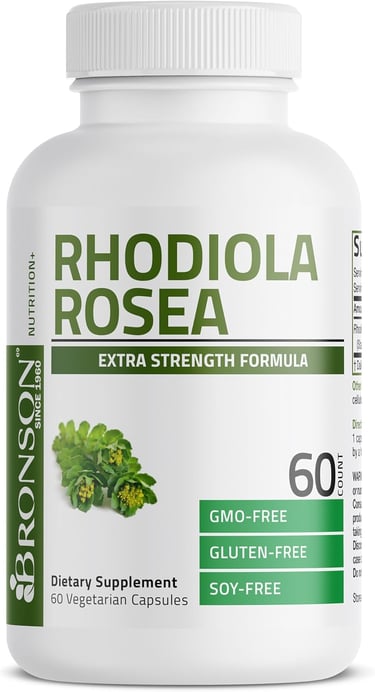
While ashwagandha is calming, rhodiola is energizing—making it an excellent complement if you're dealing with both stress and fatigue, which many perimenopausal women experience.
Rhodiola is an adaptogenic herb that helps your body respond more efficiently to physical and emotional stress. Unlike stimulants that force your body to produce energy by triggering cortisol release, rhodiola supports your body's natural energy production without spiking stress hormones.
I discovered rhodiola when my afternoon energy crashes became unbearable. I'd hit 2 PM and feel like I needed a nap, but coffee made me jittery and anxious. Rhodiola provided clean energy and improved mental clarity without any crash or jitters.
Rhodiola also supports cognitive function, which is particularly helpful for the brain fog that plagues so many women during perimenopause. I found it easier to focus during work, remember details, and think clearly through complex problems.
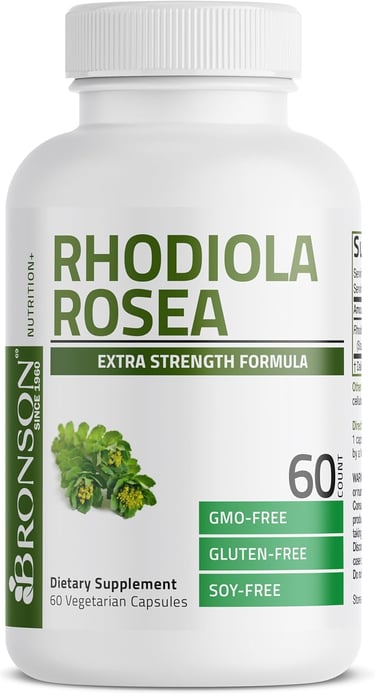
The typical dose is 200 to 400 milligrams taken in the morning or early afternoon. Avoid taking rhodiola in the evening as it can be too energizing and interfere with sleep. Start with the lower dose and increase gradually if needed.
Look for rhodiola supplements standardized to contain 3 percent rosavins and 1 percent salidrosides, the active compounds that deliver the benefits.
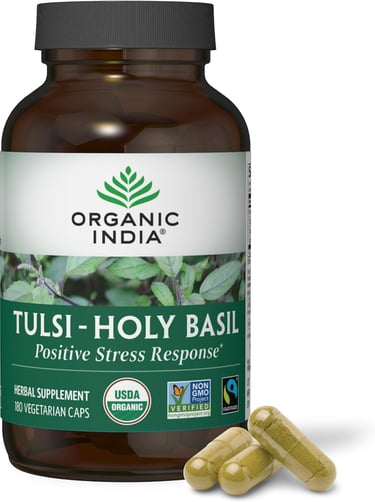
Holy Basil (Tulsi): Ancient Wisdom for Modern Stress
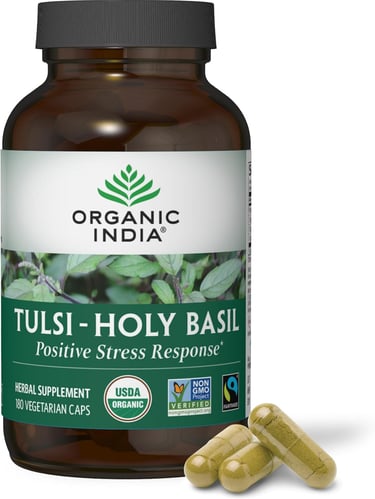
Holy basil, also known as tulsi, has been revered in Ayurvedic medicine for thousands of years as a sacred plant with profound healing properties. For perimenopausal women, its ability to support emotional balance and reduce stress makes it particularly valuable.
Holy basil works differently than ashwagandha or rhodiola. While those adaptogens primarily address the physical stress response, holy basil has a notable effect on emotional stress and mood. Many women report feeling more emotionally resilient and less reactive after taking holy basil regularly.
It also helps regulate cortisol, particularly the stress-related cortisol spikes that contribute to emotional eating and sugar cravings. If you find yourself reaching for comfort foods when stressed—something that becomes more problematic during perimenopause when metabolism slows—holy basil can help interrupt that pattern.
I drink holy basil tea in the evening as part of my wind-down routine. The ritual itself is calming, and the herb supports relaxation without making me drowsy. You can also take holy basil in capsule form, typically 300 to 600 milligrams twice daily.
Holy basil is particularly helpful during periods of intense emotional stress or when life feels overwhelming. It won't make your problems disappear, but it helps you handle them with more calm and clarity.
L-Theanine: Calm Focus When You Need to Stay Sharp
L-theanine is an amino acid found naturally in green tea that promotes relaxation without causing drowsiness. It's the compound responsible for the calm, focused alertness you feel after drinking tea, without the jitters that coffee sometimes causes.
L-theanine works by influencing brain wave activity, promoting alpha waves associated with relaxed alertness. It also supports the production of calming neurotransmitters like GABA, serotonin, and dopamine.
During perimenopause, when anxiety can strike at inconvenient times—during work presentations, important meetings, or social situations—L-theanine provides on-demand stress relief without making you foggy or tired.
I keep L-theanine capsules in my purse and take 100 to 200 milligrams whenever I feel stress rising but need to stay mentally sharp. It takes the edge off anxiety within 30 to 45 minutes without any side effects or drowsiness.
L-theanine is also helpful if you're sensitive to caffeine but don't want to give up your morning coffee. Taking L-theanine with caffeine smooths out the stimulating effects, providing energy and focus without jitters or anxiety.
You can take L-theanine as needed or regularly throughout the day. It's one of the safest supplements available with virtually no side effects.
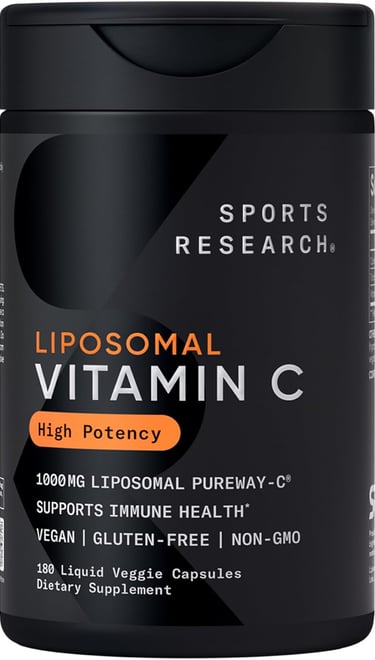
Vitamin C: Supporting Your Stress-Response System
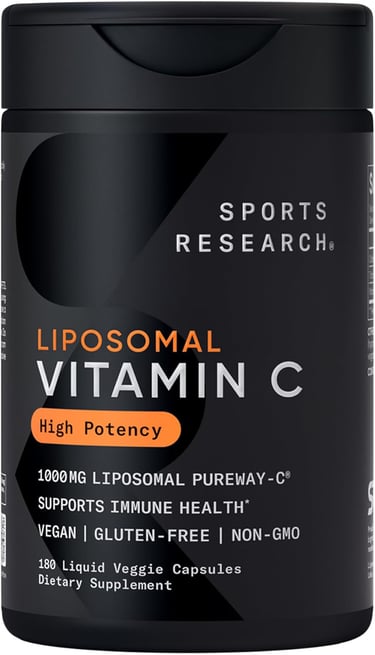
Vitamin C isn't just for immune support—it's also crucial for adrenal gland health. Your adrenal glands produce cortisol, and they use vitamin C rapidly during times of stress.
When you're chronically stressed, which is common during perimenopause, your adrenals can become depleted, contributing to fatigue, difficulty recovering from stress, and hormonal imbalances. Adequate vitamin C supports healthy adrenal function and helps your body regulate cortisol more effectively.
Vitamin C is also a powerful antioxidant that protects your cells from oxidative stress, which increases during perimenopause. This oxidative stress contributes to aging, inflammation, and chronic health conditions.
I take 500 to 1,000 milligrams of vitamin C daily, split into two doses for better absorption. During particularly stressful periods, I increase to 2,000 milligrams spread throughout the day.
Choose a buffered vitamin C or Ester-C, which are gentler on your stomach than ascorbic acid. Some formulas include bioflavonoids, which enhance vitamin C absorption and provide additional antioxidant benefits.
Phosphatidylserine: The Cortisol Regulator
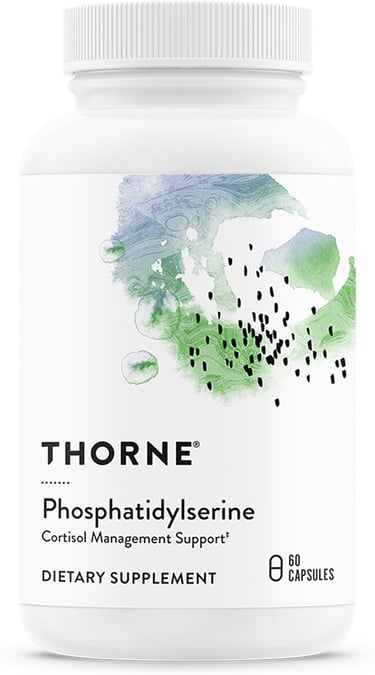
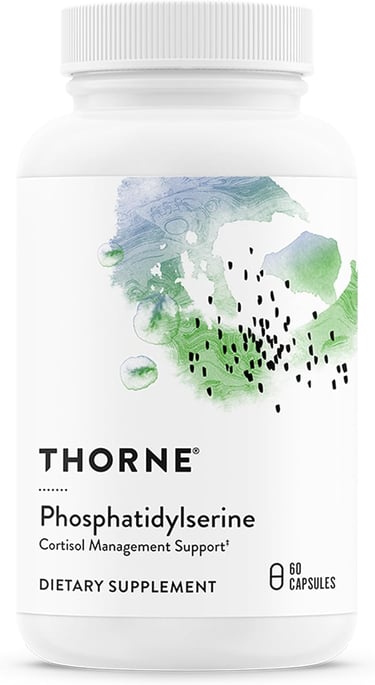
Phosphatidylserine is a phospholipid compound found in cell membranes, particularly abundant in brain cells. It's gained attention for its ability to blunt cortisol spikes, especially after exercise or stressful events.
If you exercise regularly but feel exhausted afterward rather than energized, or if stress leaves you feeling physically wiped out, phosphatidylserine can help your body recover more efficiently. It supports the return to baseline cortisol levels after stress, preventing the prolonged elevation that contributes to weight gain, sleep problems, and hormonal disruption.
Phosphatidylserine also supports cognitive function, memory, and mental clarity—all of which can suffer during perimenopause.
I take 100 milligrams of phosphatidylserine after intense workouts or particularly stressful days. It helps me recover faster and prevents the wired-but-tired feeling that used to plague me after high-stress situations.
The typical dose ranges from 100 to 300 milligrams daily. It's best taken with food for optimal absorption.
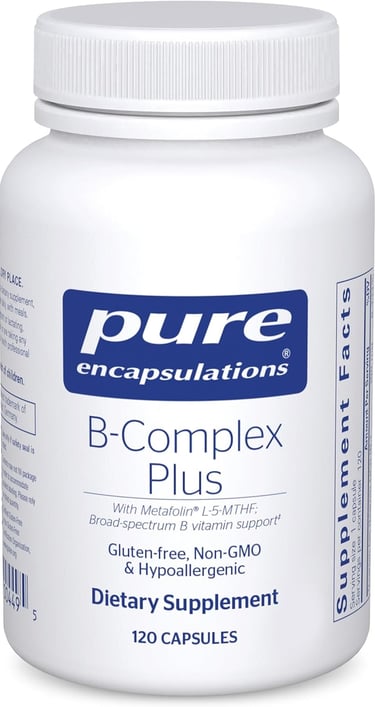
B-Complex Vitamins: The Energy and Hormone Helpers
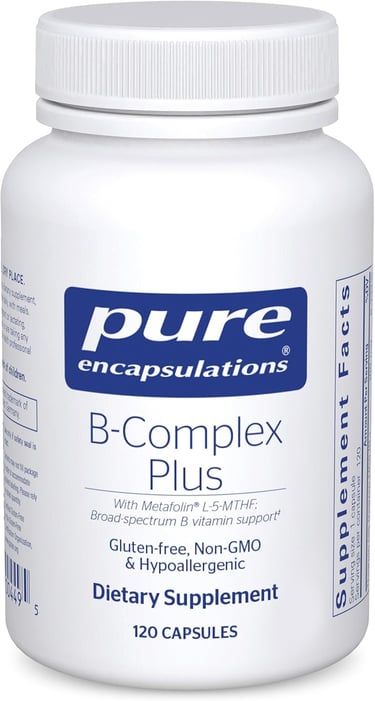
B vitamins are essential for energy production, nervous system health, and hormone metabolism. During perimenopause, when hormonal fluctuations strain your body's systems, B vitamins become even more important.
Vitamin B6 supports progesterone production and helps with estrogen metabolism. B12 is crucial for energy, mood, and cognitive function. Folate (B9) supports neurotransmitter production and may help reduce depression and anxiety symptoms.
B vitamins are water-soluble, meaning your body doesn't store them, and you need to replenish them daily. Stress, poor diet, and aging all deplete B vitamins, making supplementation particularly beneficial during perimenopause.
I take a high-quality B-complex every morning with breakfast. Within a few weeks of starting, I noticed improved energy levels throughout the day and better stress resilience.
Look for a B-complex that contains active forms of B vitamins: methylfolate instead of folic acid, and methylcobalamin instead of cyanocobalamin. These active forms are more easily used by your body, especially if you have genetic variations that affect vitamin B metabolism.
Vitamin D3: The Sunshine Hormone for Mood and Metabolism
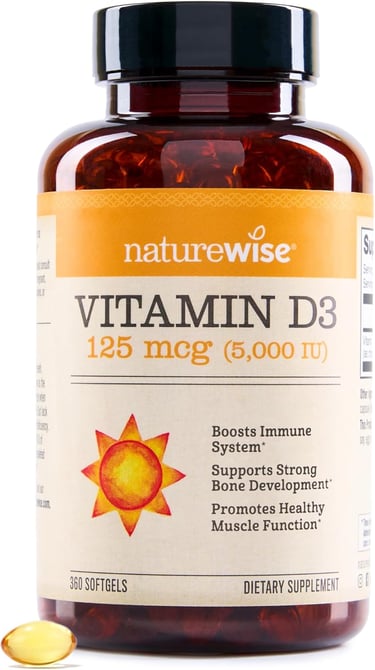
Vitamin D is technically a hormone, not a vitamin, and it's involved in countless bodily processes, including hormone balance, mood regulation, immune function, and metabolic health.
Many women are deficient in vitamin D, especially those living in northern climates or spending most of their time indoors. Low vitamin D levels contribute to depression, fatigue, weakened immunity, and difficulty managing weight—all concerns during perimenopause.
Vitamin D works with estrogen and supports thyroid function. Adequate levels are associated with better mood, improved sleep, and easier weight management.
I had my vitamin D levels tested and discovered I was deficient despite living in a sunny climate. I started supplementing with 2,000 IU daily, and after a few months, my levels normalized. I noticed improvements in my energy, mood, and overall sense of well-being.
The ideal dose varies based on your current levels, sun exposure, and individual needs. Many healthcare providers recommend 1,000 to 2,000 IU daily for maintenance, but some women need higher doses initially to correct deficiency.
Take vitamin D3 (cholecalciferol, not D2) with a meal containing healthy fats, as it's fat-soluble and absorbed better with dietary fat.
Final Thoughts: You Don't Have to Suffer Through This
Perimenopause is a transition, not a disease. It's your body preparing for the next phase of life, and while it can be challenging, it doesn't have to be miserable.
The right combination of supplements, supportive lifestyle habits, and self-compassion can make a profound difference in how you experience this journey. Supplements aren't magic pills, but when thoughtfully chosen and consistently used, they can be powerful allies that help you feel more like yourself again.
Every woman's experience with perimenopause is unique, so what works for me might not be exactly what you need. Start with one or two supplements that address your most bothersome symptoms, give them a few weeks to work, and then add others as needed.
Always consult with your healthcare provider before starting new supplements, especially if you have underlying health conditions or take medications. Some supplements can interact with medications or may not be appropriate for certain health conditions.
You deserve to feel good in your body. You deserve energy, stable moods, and restful sleep. These supplements, combined with patience and self-care, can help you navigate perimenopause with more grace and significantly less struggle.
This transition is temporary, but the woman emerging on the other side—stronger, wiser, and more in tune with her body's needs—is permanent. You've got this.